A stove that needs work starts dropping hints well before it quits. The fire gets hard to hold until morning. The glass goes black by the second load. Smoke curls into the room when you crack the door to add a split. Or the woodpile by the fence shrinks faster than last winter even though you bought the same oak from the same yard. Each of those hints points at a part, each part has a price, and for most stoves we work on in Signal Hill the bill comes down to a short list.
Parts that take the beating
A wood stove is a metal box that heats up, cools off and heats up again every evening it runs, all season long. Whatever touches the fire wears. Roughly in the order we end up replacing them:
- Door rope. The woven seal around the door gets crushed every time the latch pulls tight. Once it stops making contact all the way round, the stove sucks air past the door and the fire runs hot and short.
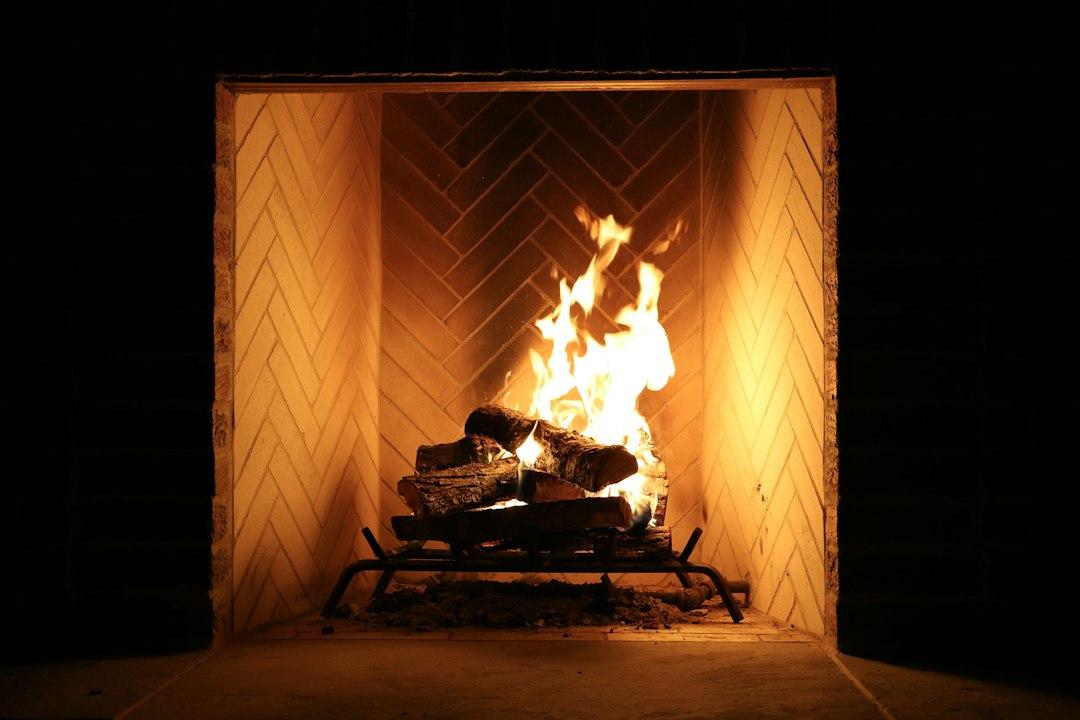
- Firebrick. The pale bricks that line the box crack when a round of oak lands on them. A few hairline cracks are fine. A missing brick lets the heat sit on bare steel.
- Baffle and burn tubes. Up near the top of the box there is a shelf that makes the smoke take the long way out so more of it burns. Boards sag and split, steel plates warp, and the drilled tubes on newer stoves burn out at the holes.
- Catalyst. On catalytic stoves, a ceramic honeycomb lights off the smoke before it leaves. It plugs with ash, crumbles at the edges and loses its bite with age.
- Air control and latch. A slider that seizes, a handle that spins free, a latch cam worn smooth so the door never quite closes.
- Glass. A panel cracked by a log knocked against it, or one that has turned cloudy and will not clear.
Past those sit the bigger items: a cracked cast side or a seam starting to open.
What sets the figure
Our price list has no line for wood stove repair, and a number given over the phone before anyone has seen the stove is a guess. Four things move it.
1. Which parts. Rope and a few bricks are small. A catalyst or a full set of baffle boards costs more. A cracked cast panel can cost more than the stove is worth. 2. Whether the maker still supplies them. Plenty of stoves in older Signal Hill and Long Beach houses were fitted by owners who sold up long ago. If parts are still made, the job is simple. If they are not, we hunt for parts that fit, and if none do we tell you the stove has reached its end. 3. The pipe and the chimney above it. A stove only burns as well as the flue it vents into. A rusted connector or a flue lined with tar adds a sweep or a new pipe section, and those go on their own lines. 4. How the stove sits. One on a raised hearth in an open room pulls forward easily. One wedged into a tiled corner takes longer to free.
Two figures on our list do touch a stove visit. A sweep of the flue it vents into starts from $435, and a Level 1 inspection of that chimney is $57. The repair itself gets its own written figure once the door is open, the baffle is out and we have looked into the box.
Book a wood stove repair visit and add the brand and model if the plate on the back can still be read, roughly when the flue last saw a brush, and what the fire is doing that it should not.
How the visit runs
We start with your account of it: how the fire behaves, what wood goes in, how many evenings a week it runs in a cold spell. Then the stove gets a cold look. The rope is pulled and checked, bricks are tapped for hollow spots, the baffle comes out, the catalyst goes under a light. We follow the connector pipe joint by joint to the collar where it meets the chimney or the ceiling. We look at the hearth pad under and in front of the stove for cracked tile or a gap a coal could fall through.
The written price lists parts and labor line by line. You pick what goes ahead. If the stove is safe to run with one item done now and another planned for spring, we say that. If it should stay cold until something is fixed, we say that too, and why.
Burn habits that run up the bill
Most stove repairs we see around Signal Hill trace back to the wood and the way it gets burned rather than a faulty stove. Wet wood is the big one. Fresh oak or eucalyptus off a tree service truck can carry close to half its weight in water. The stove spends its heat boiling that off, burns cool and smoky, and paints the baffle, the glass and the flue with tar. A cord sold as seasoned is not always seasoned, so a cheap moisture meter earns its place by the woodpile.
The second habit is turning the air right down so one load lasts all night. A smoldering fire is a dirty fire. It does not save wood; it turns wood into creosote. The third is the reverse: stuffing the box and leaving the air wide open until the top glows. That warps baffles and cracks brick and cast iron.
Fix it or replace it
Sometimes the straight answer is to stop putting parts into an old stove. The signs: a cracked cast body, a steel box warped out of square so the door can never seal, a maker long gone with nothing that fits, or a stove so old it smokes however it is run. When a stove is there, we lay out the choices: a newer wood stove, a wood insert if there is a brick fireplace to take one, a pellet stove, or gas. A gas insert set into your fireplace runs $2,900 to $5,800 with us. A new wood stove depends on the model, so it gets a written figure of its own.
Winter burn notices
Wood smoke rules here come from the South Coast AQMD. Its Rule 445 lets the district ask everyone in the basin to leave wood fires unlit on days when the air is stuck, and those requests land in the cold months when people most want a fire. A tight, well tuned stove will not change that rule, but it does mean less smoke on the evenings you can burn, which is one more reason a good seal and a working baffle repay the cost.
More on stoves and the flue above them
- Wood stove repair covers the full list of stove work we take on.
- Pellet stove repair is the page for the hopper-fed kind.
- Chimney sweep explains the sweep that usually rides along with a stove visit.
- Sweep prices for wood burners breaks down what pushes a sweep past its starting figure.
- Relining a flue for a wood stove is the next read if the flue itself is the trouble.
If the stove has started fighting you, the contact page is the place to begin. A few lines about the stove and the fire it builds are enough for us to set up a visit in Signal Hill or next door in Long Beach, Carson or Cerritos.
Burning Through the Winter?
Moffett Chimney Sweep sweeps flues and fixes wood stoves, pellet stoves and inserts from Signal Hill outward. We replace the parts that wore out and say plainly when a flue should not be lit.