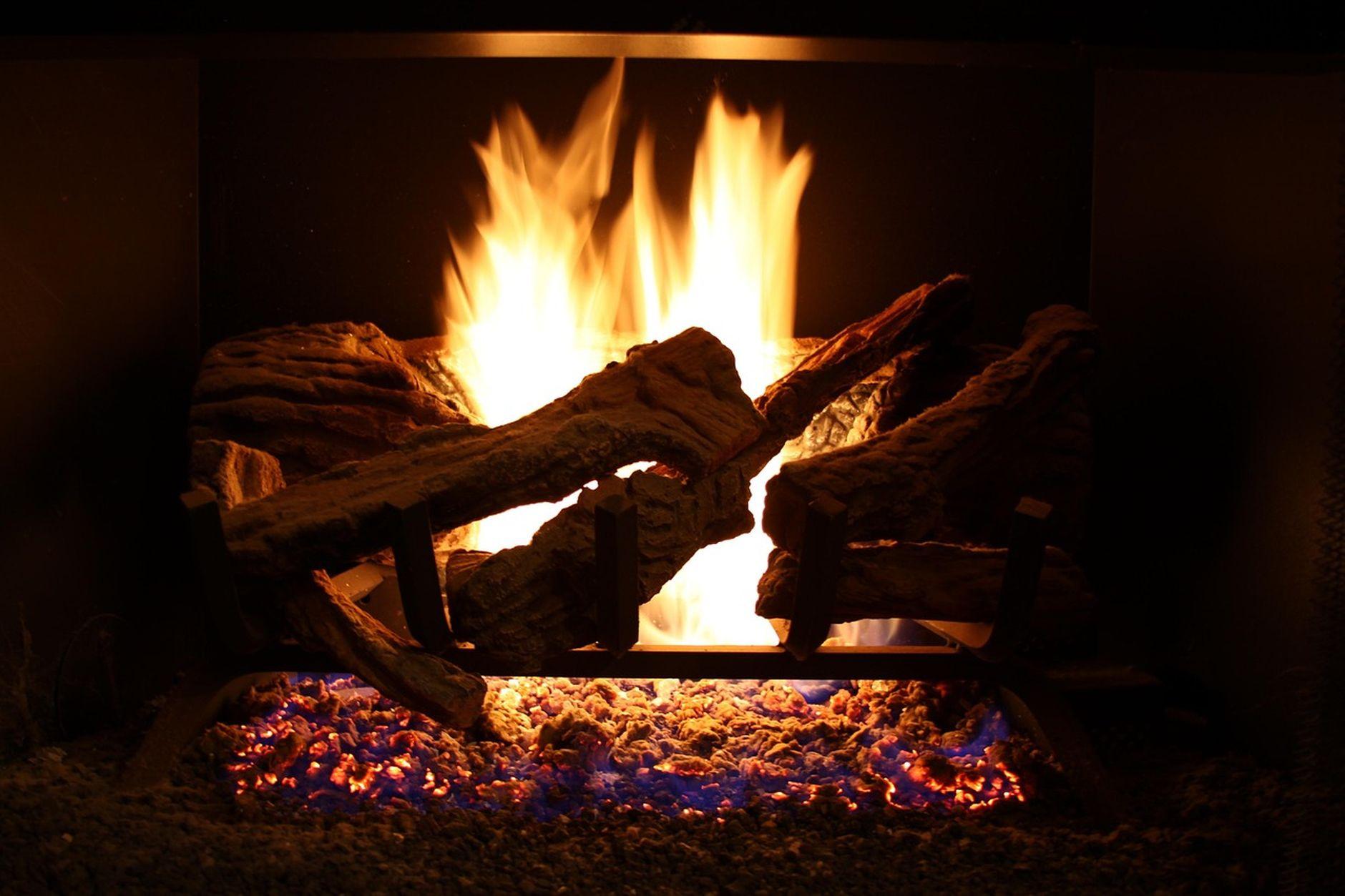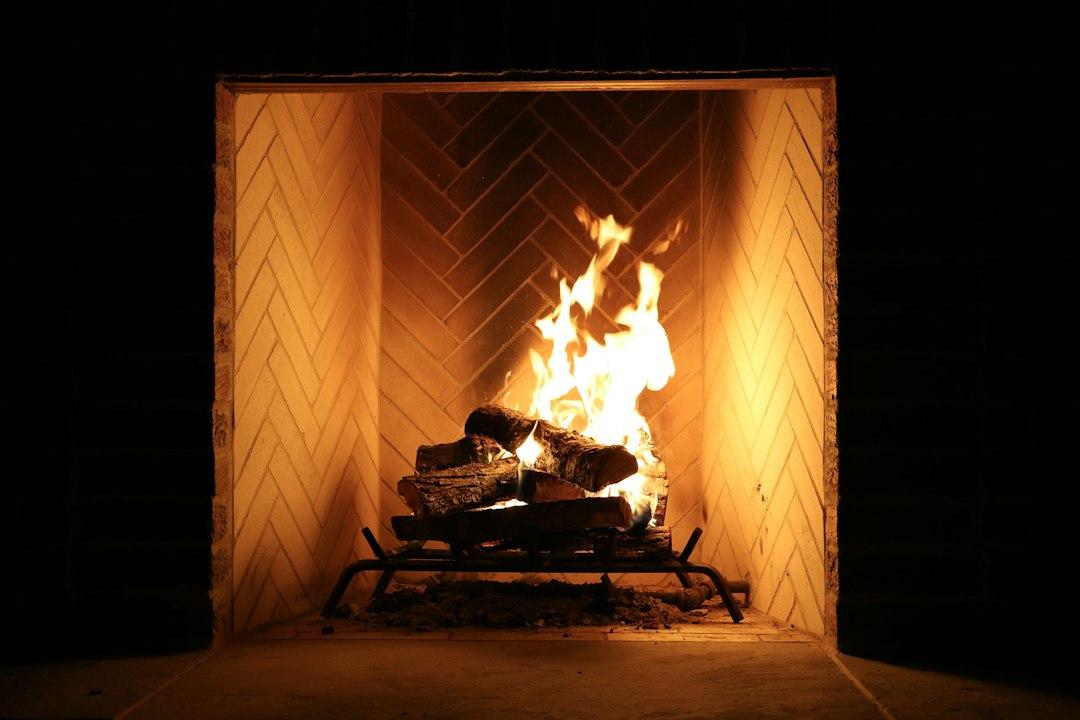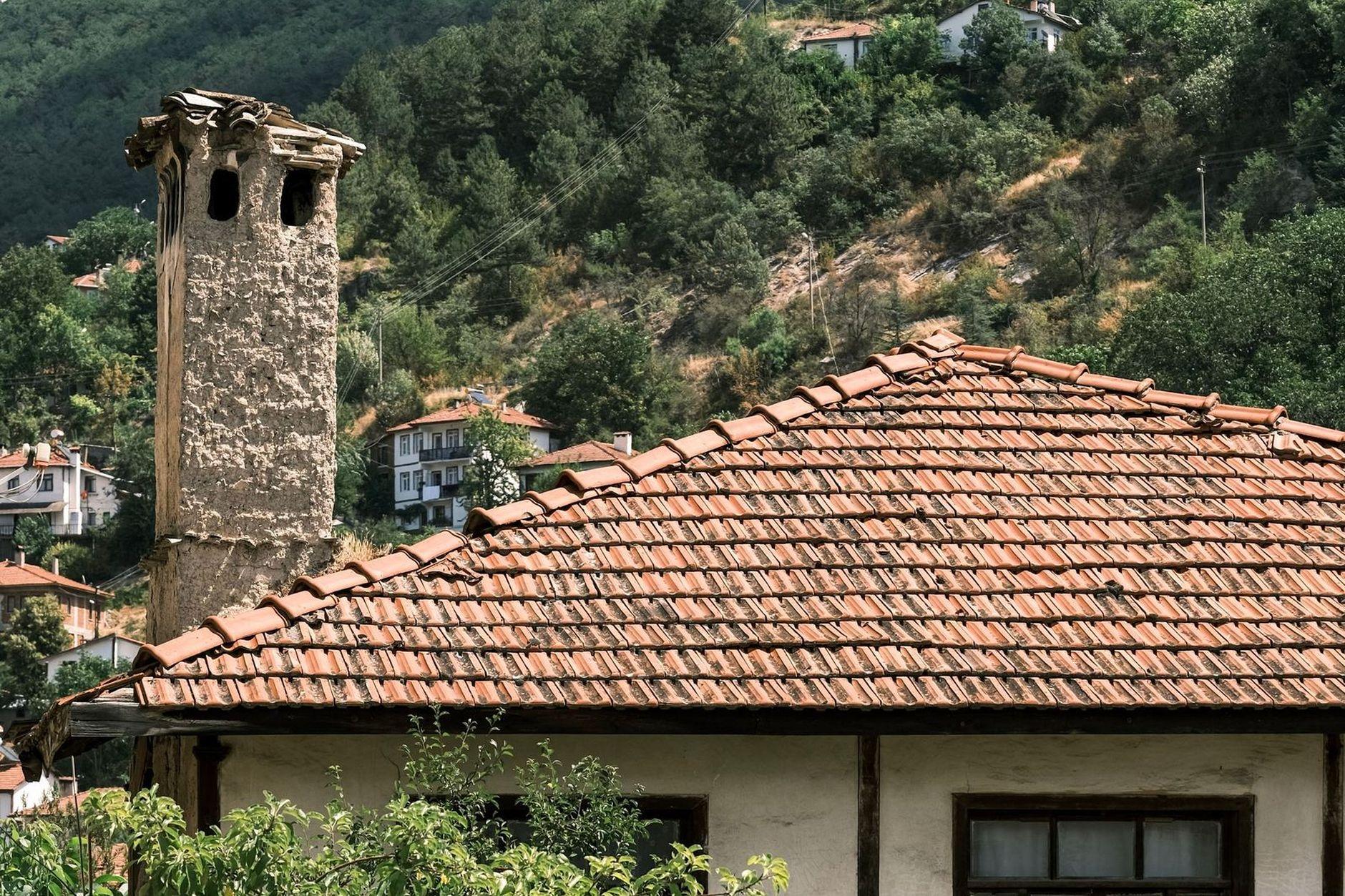
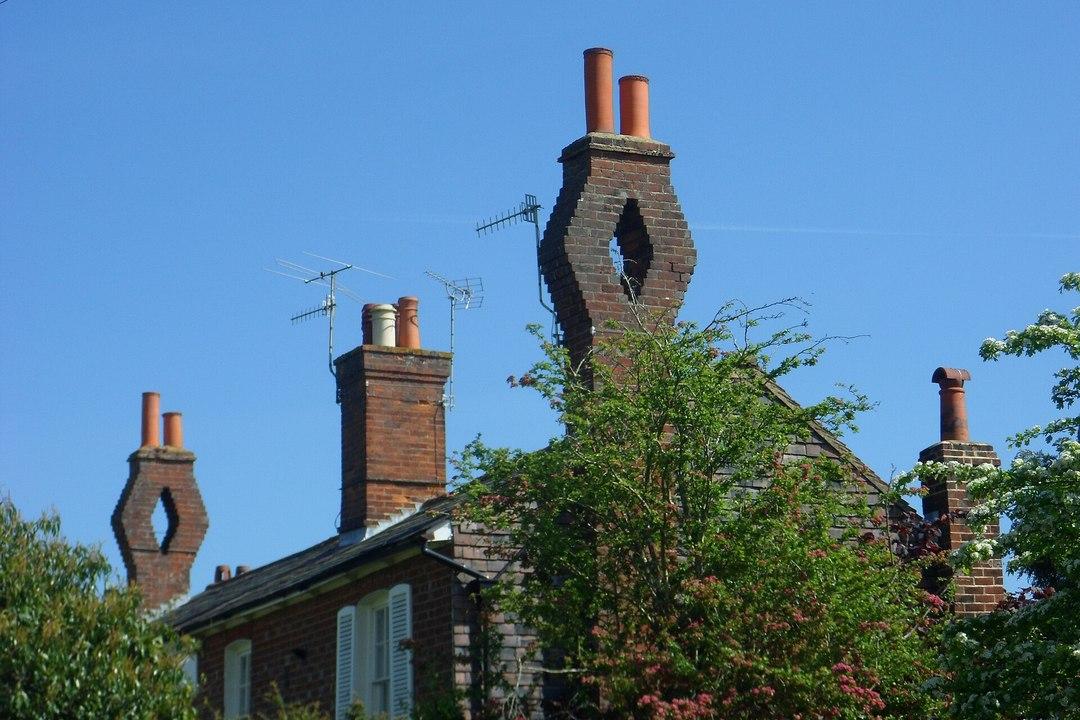
People who burn a lot of wood want two things from a sweep price: the number, and some idea of what makes it go up. The number is simple. A sweep with us starts from $435 in Signal Hill and the towns around it. What makes it climb is mostly what you have been burning and how, which is why two houses on the same street can get two different totals.
What the starting figure covers
From $435 is a standard sweep of one flue on a house where we can get to the fireplace or stove and to the roof without a fight. It covers:
- Drop cloths down and the opening sealed so soot stays in the flue, not on your rug.
- Brushing the flue from top to bottom with heads sized to the tile or liner.
- Clearing the smoke shelf and smoke chamber above the damper.
- Vacuuming the firebox or stove and the debris that came down.
- A look at the damper, the cap and the top of the flue while we are up there.
- Notes on what came out and anything we saw that needs attention.
What pushes the figure up
How much creosote, and what kind. Tar in a flue comes in roughly three forms. Light soot brushes off like flour. Crunchy, flaky deposits take more passes. The third kind is a hard, shiny glaze that the brush skates over, and it is the one that adds real time because it has to be broken up with harder tools and more than one round. Wet wood, slow smoldering fires and an oversized flue are the usual causes of that third kind.
A stove or insert in the way. If the flue runs from a stove that has to be disconnected and pulled forward, or an insert that has to come out of the fireplace to reach the smoke chamber, that is extra labor.
More than one flue. A chimney with a fireplace flue and a furnace or stove flue beside it is two sweeps, not one.
Height and the roof. A tall chimney or a steep roof means more setup and more care.
Things living in the flue. A nest, or a flue with no cap that has collected leaves and debris, takes longer to clear.
We tell you which of those apply before we start, not after.
Sweep plus inspection
A sweep and a Level 1 inspection go well together, since the flue is already open and clean enough to see. The Level 1 is $57. If what we see during the sweep points to cracked tile, a shifted joint or tar we cannot reach, the next step is a Level 2 with a camera, which is $405. We do not upgrade you without asking.
How to compare sweep quotes
Sweep pricing in Long Beach and the surrounding cities runs from very low teaser numbers to figures that include everything. When you compare, ask the same few things of everyone:
- Is the price for one flue, and what counts as extra?
- Does it include the smoke chamber, or just the straight flue?
- Is anything checked or written down, or is it a brush and go?
- If you find something wrong, do I get it in writing before anything else is sold to me?
A low figure that turns into a long list of extras once the truck is in the drive is not a low figure.
Book a sweep and say what you burn, how often in a cold spell, whether it is a fireplace or a stove, and roughly when the flue last saw a brush.
How often a wood burner needs one
The national chimney standard, NFPA 211, asks for a yearly check of chimneys in use and a sweep when deposits build up. For people who burn regularly, that usually means one sweep a season. For people who run a stove most winter evenings on mixed wood, it can mean two. For someone who lights an open fire a few times a year with dry oak, every year or so is often plenty.
The fastest way to know is to look at what comes out. A sweep that pulls down a bucket of light soot means your habits are fine. One that pulls down shiny flakes means the wood or the air setting needs to change.
Burning habits that keep the bill down
This is the part that saves you money:
- Dry wood. Split, stacked off the ground and covered on top for a full year before it goes in. Oak needs longer than pine.
- Hot fires, not smoldering ones. A fire that burns with flame for a few hours deposits less than one choked down for eight.
- The right size of fire for the box. Overloading an open fireplace pushes smoke out the front and coats the smoke chamber.
- A cap on top. Leaves and nests in an open flue make every sweep longer.
Why a sweep matters more for wood
Gas fireplaces leave little in the flue. Wood leaves tar, and tar burns. A chimney fire can start from a thick coat of it on an evening when a hot fire catches it, and it can crack tile and reach framing before anyone notices. A sweep takes away the fuel.
Related pages
- Chimney sweep has the full service details.
- Fireplace cleaning covers the firebox and the room side.
- What wood stove repairs cost is for when the stove itself is the problem.
- Relining a flue for a wood stove explains what happens when the camera finds damaged tile.
If the fire has been smokier than it should be or the last sweep was longer ago than you can remember, drop us a note through the contact page and we will set a sweep up at your Signal Hill or Long Beach address.
Burning Through the Winter?
Moffett Chimney Sweep sweeps flues and fixes wood stoves, pellet stoves and inserts from Signal Hill outward. We replace the parts that wore out and say plainly when a flue should not be lit.