Most people who ask us this already like a real fire. The question behind it is usually: we sit in front of this thing all winter, the room is still cold, and we go through a lot of wood. What would actually make it heat? In Signal Hill there are four common answers, and they suit four different kinds of owner.
Keeping the open fire
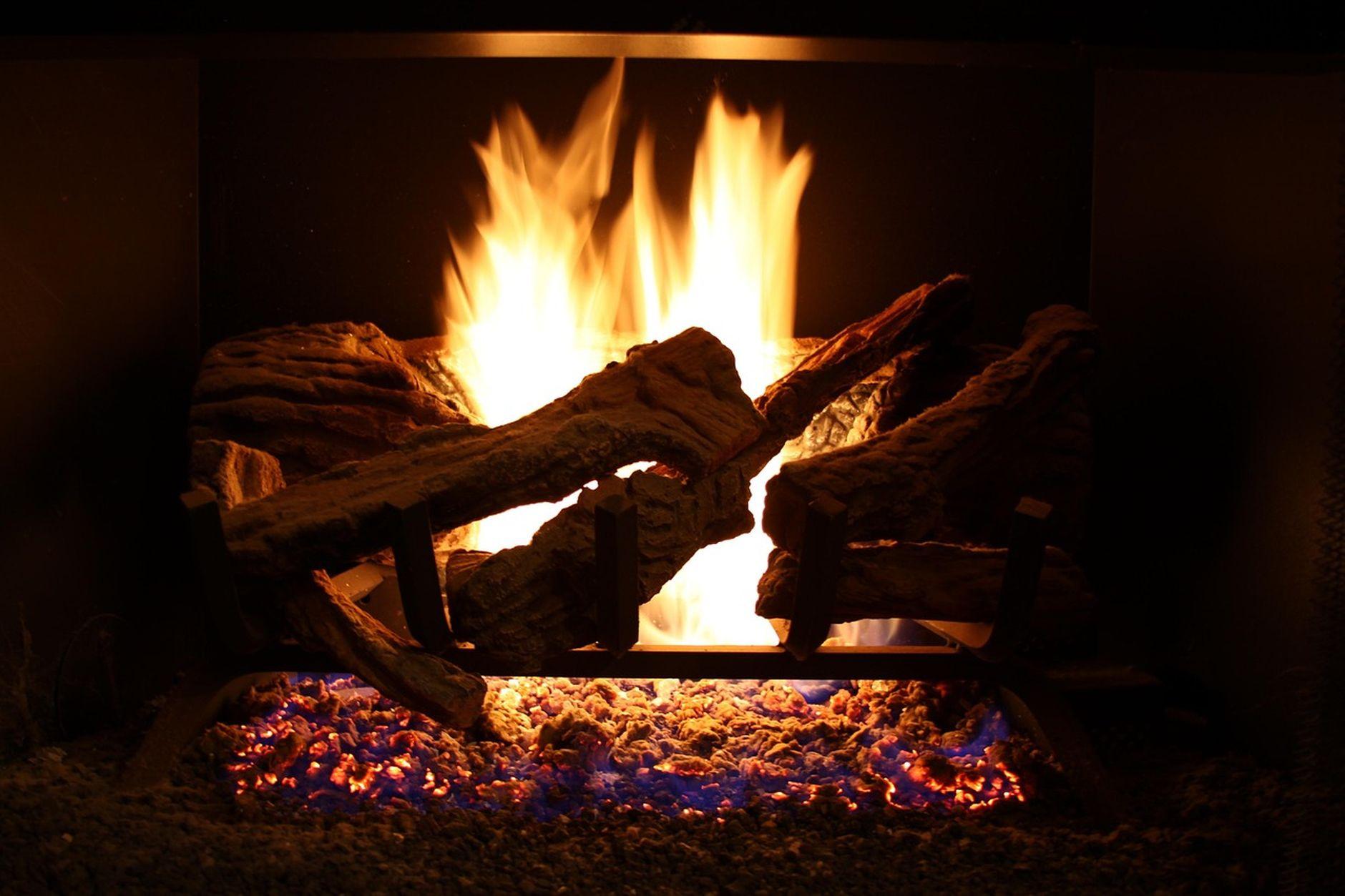
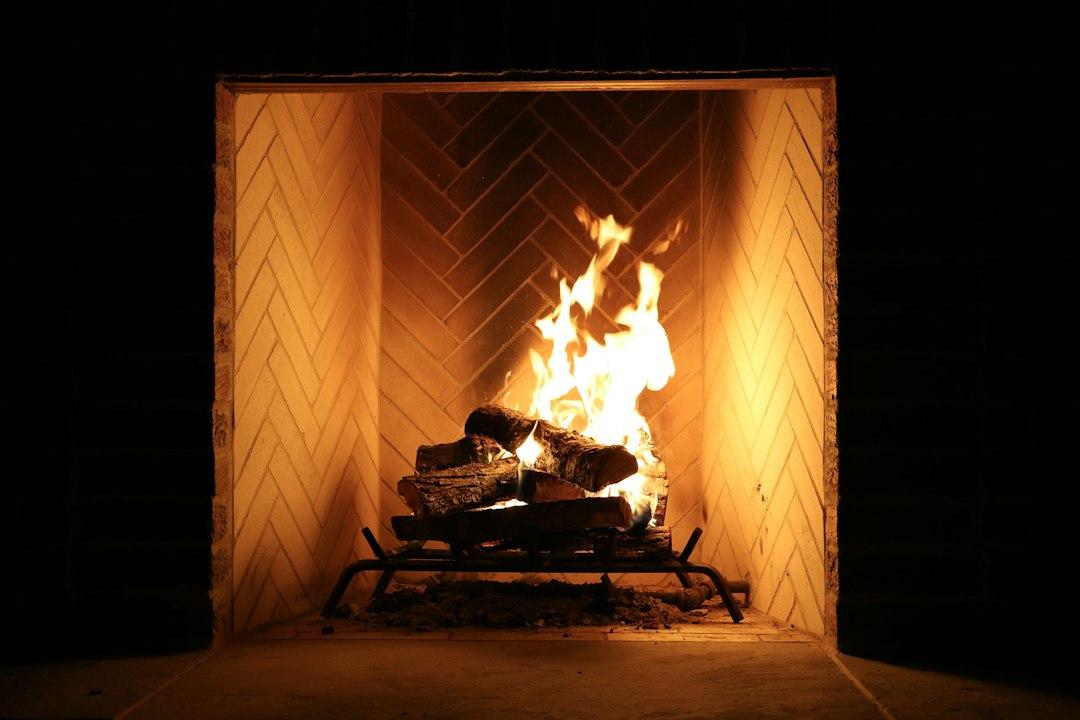
An open fireplace is about looking at the fire, not heating the room. Most of its heat rises straight up the chimney, and once the flames sink to embers, that open damper goes on drawing heated room air outdoors. That is not a flaw; it is just what an open fireplace is.
It suits you if you light a fire a few evenings a winter, you enjoy the sound and smell of it, and the room already has another heat source. It asks for dry wood, a sweep when deposits build up, and a damper that seals when the fire is out. Glass doors help on the cold nights after a fire, and a working cap keeps rain and birds out.
The sweep for an open fireplace starts from $435 with us.
A wood insert
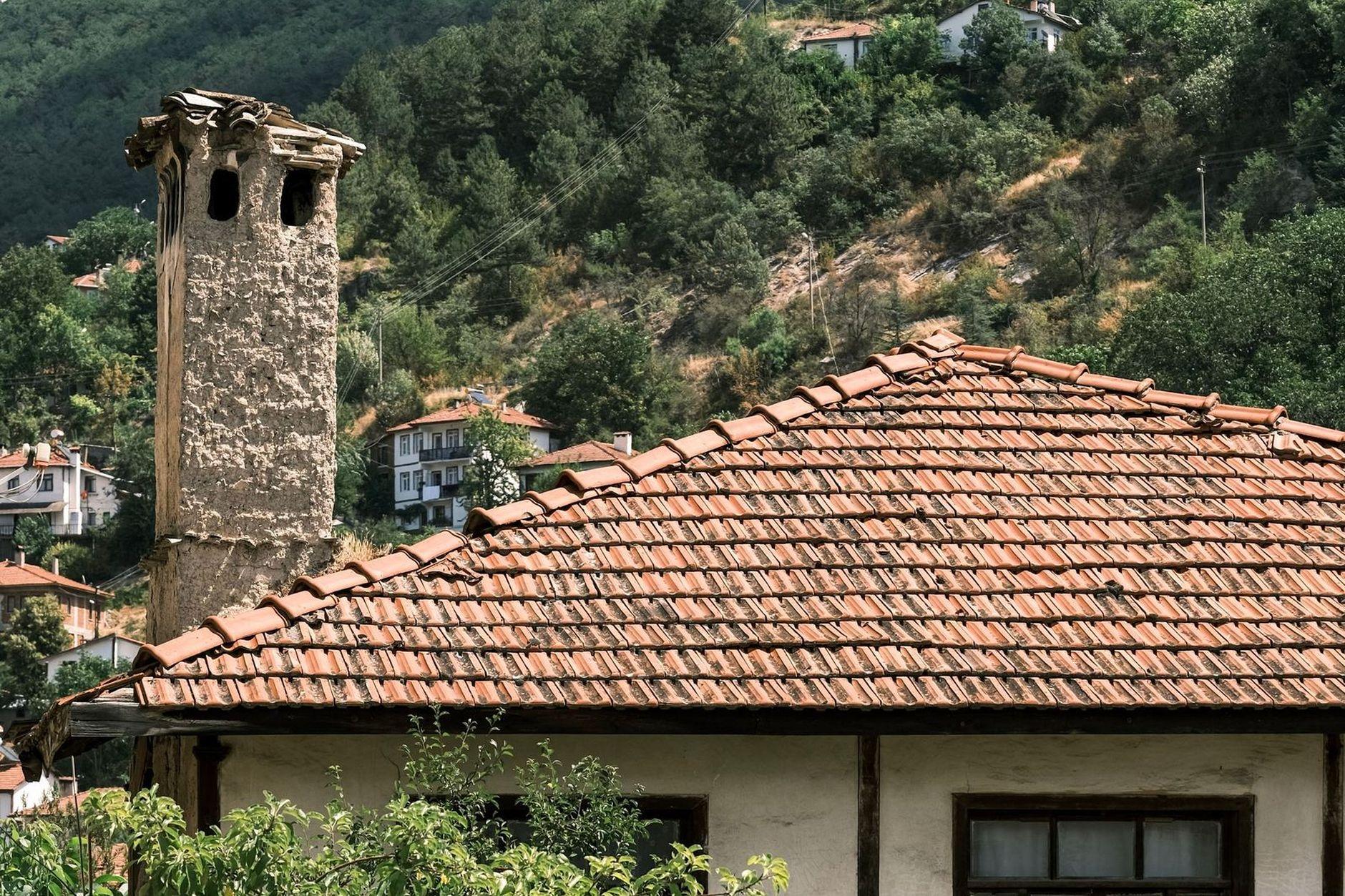
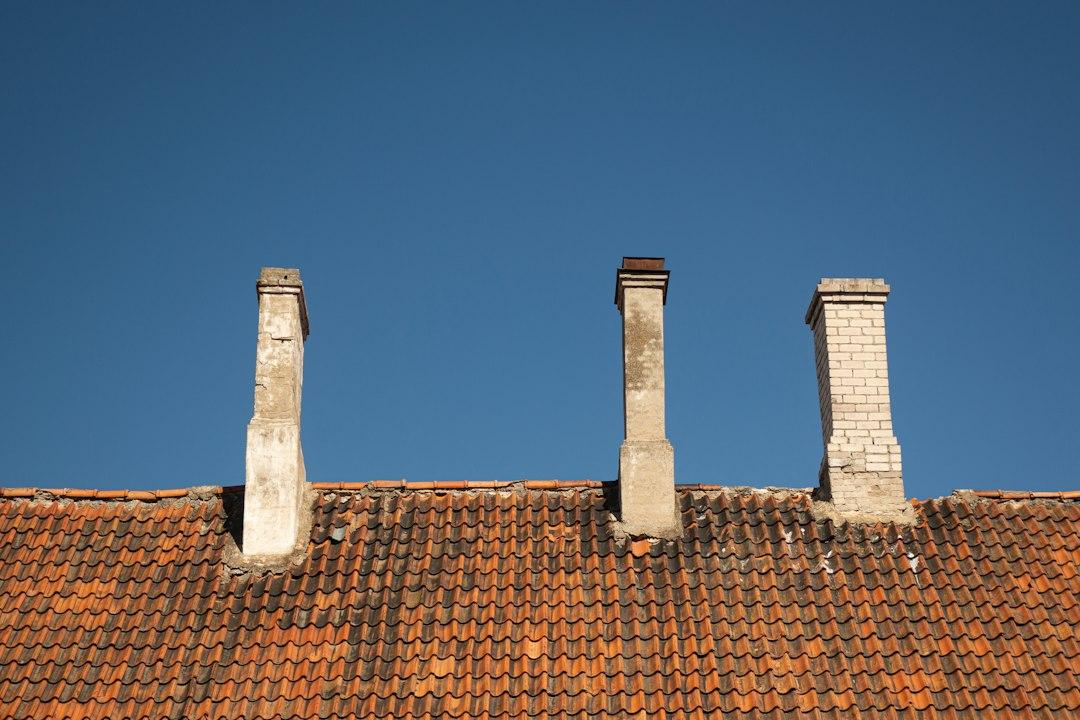
A wood insert is a steel stove built to slide into the fireplace opening. It has a door, a firebox, and usually a blower that pushes heat into the room. Above it, stainless liner pipe climbs the whole flue, insert collar to chimney cap, giving smoke a sealed route out.
It suits you if you want real heat from wood, you have space to store a season of split logs, and you are happy to load a fire. A good insert can heat a living room and much of the house around it. It changes the look: you see the fire through glass, not open, and you lose the crackle from the room.
It asks for more care than an open fireplace in one way: an insert burns slowly, so it needs dry wood and a yearly sweep to keep the liner from coating up. The insert itself and its liner get a written price after we measure the firebox and run the camera.
A pellet insert or stove
A pellet unit burns compressed wood pellets fed from a hopper by a small motor. You fill it, set a temperature, and it runs. It needs electricity for its fans and feed, and it vents through a sealed pipe, often a liner up the old flue.
It suits you if you want steady, thermostat-style heat with less hands-on work than logs, you do not mind buying pellets by the bag, and power at that wall is reliable. It asks for regular cleaning of the burn pot and a yearly service.
Gas
A gas insert sets a sealed gas firebox into the existing fireplace, with a vent run up the chimney. It lights with a switch or a remote and heats well. With us, gas inserts run $2,900 to $5,800 installed, depending on the model and the work at the fireplace.
It suits you if you want heat without hauling wood, cleaning ash or sweeping tar, and you have a gas line nearby. The South Coast AQMD's winter no-burn days under Rule 445 are aimed at wood, so a gas fire is the choice that stays lit on those evenings. It asks for a yearly check of the burner, pilot and vent.
What decides it
The right answer comes from four questions:
1. How do you use the fire now? A few evenings a year, or most evenings all winter? 2. Where does your wood come from, and where does it live? A season of logs takes a lot of dry space. 3. What is the chimney like inside? An insert of any kind needs a flue that can take a liner, and some older chimneys need repair first. 4. What is the firebox? A brick firebox can take an insert. A metal factory-built box often cannot, or only takes the model listed for it.
The chimney question is the one people skip. Before any insert goes in, we run a Level 2 inspection, $405, to see the flue on camera and make sure it can take a liner.
Ask for a measuring visit and say which of the four options you are leaning toward, whether the firebox is brick or metal, and how often you burn now.
Costs over a winter
- Open fireplace: low to fit, high in wood for the heat you get.
- Wood insert: a larger price to fit, far less wood per evening of warmth.
- Pellet unit: a larger price to fit, pellets by the bag and a little electricity.
- Gas insert: the price to fit, then your gas bill.
None of those is cheaper than the others across the board. It depends on how many evenings you burn.
The look
If the open fire is what you love, an insert will change the room. If heat matters more, most owners stop missing the open flame after the first cold night with an insert. Gas and pellet units come in many faces now, from plain steel to something closer to a traditional fireplace.
Related pages
- Fireplace inserts lists the insert work we take on.
- Pellet stove repair covers pellet units once they are in.
- Choosing a pellet stove repairer explains what to ask before hiring.
- Sweep prices for wood burners covers the yearly cost of keeping wood.
If you are torn between keeping the open fire and turning it into a heater, a measuring visit settles it quickly. Reach us through the contact page and we will come out to Signal Hill, Long Beach, Carson or Cerritos.
Burning Through the Winter?
Moffett Chimney Sweep sweeps flues and fixes wood stoves, pellet stoves and inserts from Signal Hill outward. We replace the parts that wore out and say plainly when a flue should not be lit.